A Grocery List on a Budget That Starts in Your Own Kitchen
A grocery budget usually goes wrong in the store, not on paper. The list said rice, beans and chicken; the cart came home with snacks, a second kind of cereal and a bag of salad that wilted by Thursday. A good grocery list on a budget isn’t just cheap items. It’s a list built so fewer things get bought that won’t be eaten.
The approach below starts in your own kitchen, builds a short base list, and then fills in the week.
A Grocery List on a Budget Begins With What You Already Have
Before writing anything, open the fridge, freezer and pantry. Most households have enough for two or three meals already: a bag of pasta, a can of tomatoes, frozen vegetables, eggs. Plan those meals first. The list is only for what’s missing.
This step alone often cuts a weekly shop noticeably, because it stops duplicates and uses food before it spoils.
1. Start with what is already in the kitchen
Write down three meals you can make with what’s there, then add only the missing ingredients to the list. Check expiry dates and put whatever needs using soon at the front of the fridge.
2. The base list
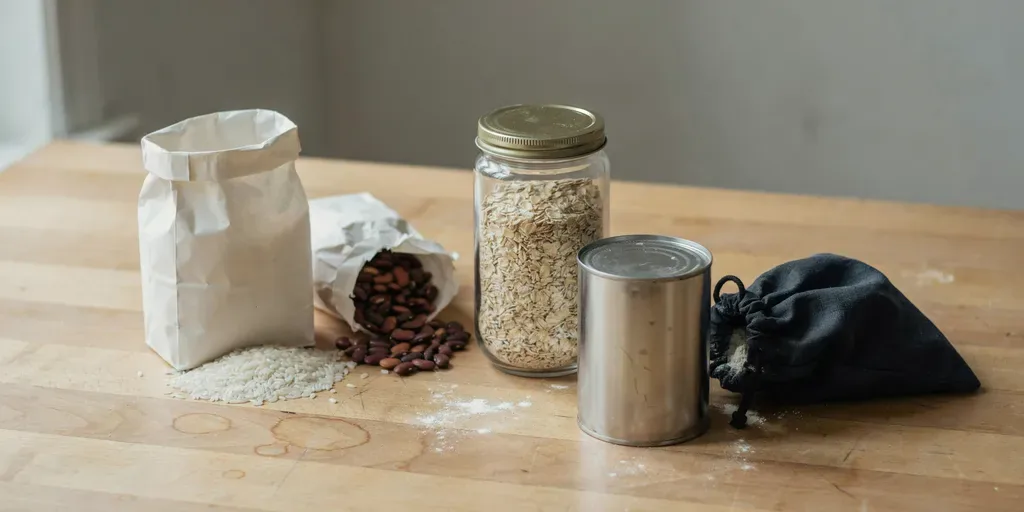
A base list is the set of staples you always keep. When one runs low, it goes on that week’s list. For most households it looks something like this:
- Rice, pasta, oats
- Dried or canned beans and lentils
- Canned tomatoes
- Eggs, milk or a plant milk
- Onions, garlic, potatoes, carrots
- Frozen vegetables
- Flour, oil, salt, a few spices
Almost every cheap meal is built from these.
3. Proteins that stretch
Chicken thighs are usually cheaper than breasts and stay moist. A whole chicken gives a roast dinner, sandwiches and stock for soup. Eggs, dried beans, lentils, canned tuna and peanut butter are among the cheapest proteins per serving. Ground meat stretches further mixed with beans or lentils in chili, tacos or pasta sauce.
4. Produce that keeps
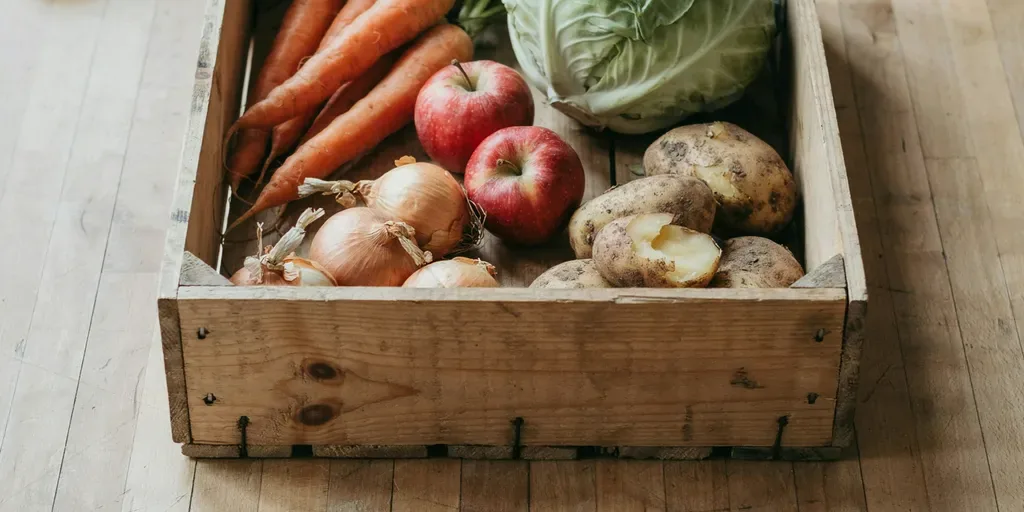
The most expensive produce is the produce that gets thrown away. Cabbage, carrots, onions, potatoes, sweet potatoes, apples and citrus keep for one to several weeks. Frozen vegetables keep for months and are picked at their peak. Buy tender produce like berries, salad and herbs only for the first few days of the week.
5. Pantry staples
Buy pantry staples in larger sizes only if you’ll use them before they go stale. Store brands of rice, oats, flour, canned tomatoes and beans are usually much the same as name brands. Compare the unit price on the shelf tag, not the package price.
6. Where the money actually goes
In most grocery bills, the expensive part isn’t the staples. It’s meat, cheese, snacks, drinks and convenience foods like pre-cut vegetables and ready meals. Looking at one receipt and grouping it into those categories usually shows where to cut. A budget that keeps rice and beans and cuts the soda and chips saves more than one that switches to cheaper rice.
7. A sample week
A simple week built from the base list:
- Monday: chicken thighs, roasted potatoes and carrots
- Tuesday: black bean tacos with cabbage slaw
- Wednesday: pasta with tomato sauce and frozen spinach
- Thursday: chicken soup from Monday’s leftovers
- Friday: egg fried rice with frozen vegetables
- Weekend: lentil soup, and one meal out or a treat
Lunches are leftovers. Breakfasts are oats and eggs. Cooking a double batch on Monday and Wednesday covers most lunches.
Reading Unit Prices
The single most useful skill in a grocery store is reading the unit price on the shelf tag. It shows the price per ounce, per pound or per count, which makes different package sizes comparable.
A quick example. A 16-ounce bag of rice at $1.79 costs about 11 cents per ounce. A 5-pound bag at $5.49 costs about 7 cents per ounce. The larger bag is about 39 percent cheaper per ounce, as long as you’ll use it before it goes stale.
The same logic often, but not always, favors larger sizes. Sales on smaller packages sometimes beat the bulk price, and some stores list unit prices in different units on different tags, like per ounce on one and per pound on another. When the units don’t match, a quick calculation on your phone settles it.
Check unit prices on store brands too. They’re usually cheaper per unit than name brands for staples.
What We Would Skip
Shopping hungry or without a list.
Bulk buys of things you don’t use often.
Pre-cut and pre-washed produce when you have ten minutes to do it yourself.
Coupons for things that weren’t on the list.
Where We Would Start
This week: shop the kitchen first, then write a list with only what’s missing. Next week: build the base list. For more on keeping the whole budget under control, see money saving tips, and if you want a short challenge, a no spend challenge often starts with the pantry.
Questions We Get Asked
How do I make a grocery list on a budget?
Check what you already have, plan meals around it, then list only the missing ingredients plus any staples that are running low.
What are the cheapest foods to buy?
Rice, oats, dried beans and lentils, eggs, potatoes, cabbage, carrots, onions, frozen vegetables and canned tomatoes.
How much should I spend on groceries?
It depends on household size, location and diet. The USDA publishes monthly food plans at several cost levels that are a useful reference.
How do I stop overspending at the grocery store?
Shop with a list, eat before going, compare unit prices and limit snacks and drinks.
Are store brands as good as name brands?
For staples like rice, flour, canned goods and frozen vegetables, they’re usually very similar and cost less.
How do I compare prices at the grocery store?
Use the unit price on the shelf tag, the cost per ounce, pound or count, to compare different sizes and brands.